
Grow Your Own Future
Who Can Refer?
- Any professional working with child or parent.
- Individuals as “self-referrals” (Anyone making a self-referral should be aware the
assessment process will involve contact with the family G.P. where there is one,
and/ or other health professionals involved with the family).
Referral Criteria
- Potential clients must be either refugees or seeking asylum, with at least one child under 18.
- The project is for families where one or more individuals experience mental health difficulties such as severe mood disturbances, severe symptoms of the psychological effects of trauma or severe psychosomatic symptoms that may interfere with their functioning and/ or family relationships.
- Potential clients will be assessed on their interest in improving relationships and functioning in the family.
- Potential clients will be assessed on their capacity/willingness to attend weekly therapy support in a garden or allotment setting.
The original FRSP service offers refugee and asylum seeking parents psychological therapy and gardening to help deal with past trauma difficulties.
This service is supported through grants from Lloyds Bank Foundation and the Henry Smith Charity.
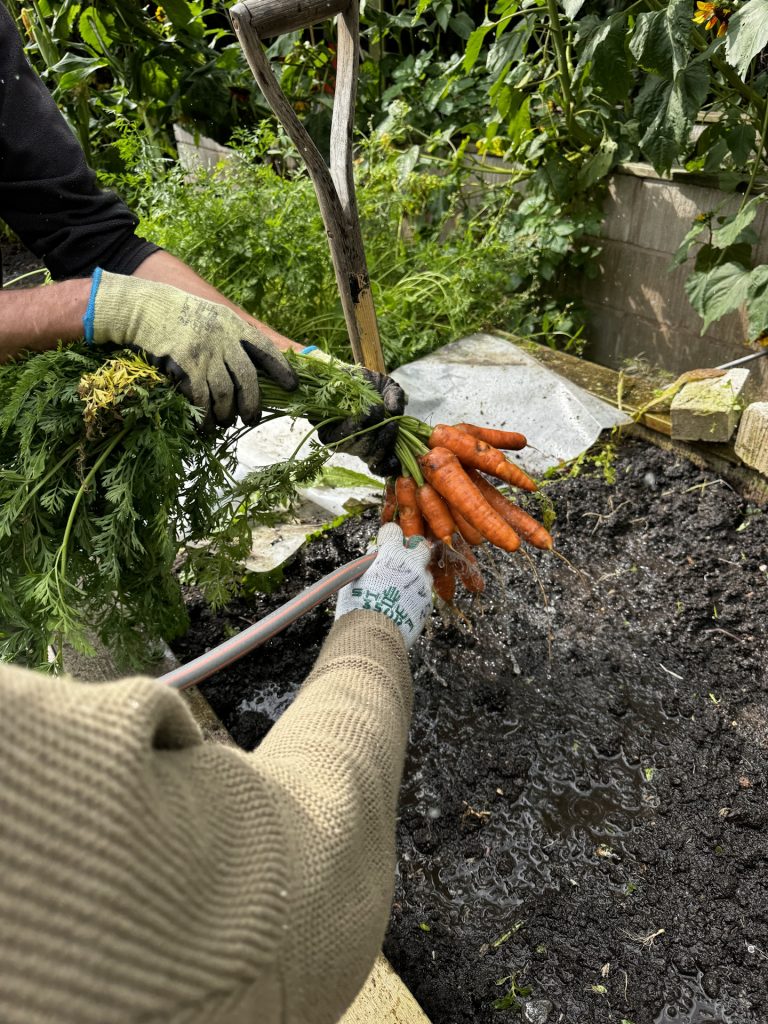
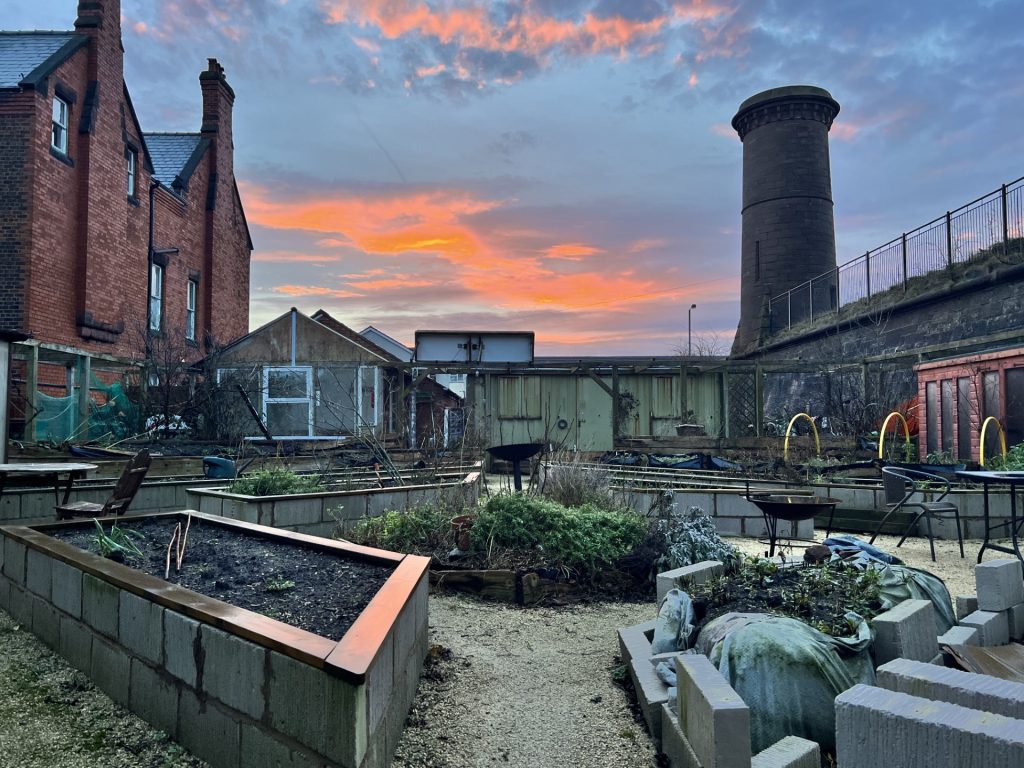
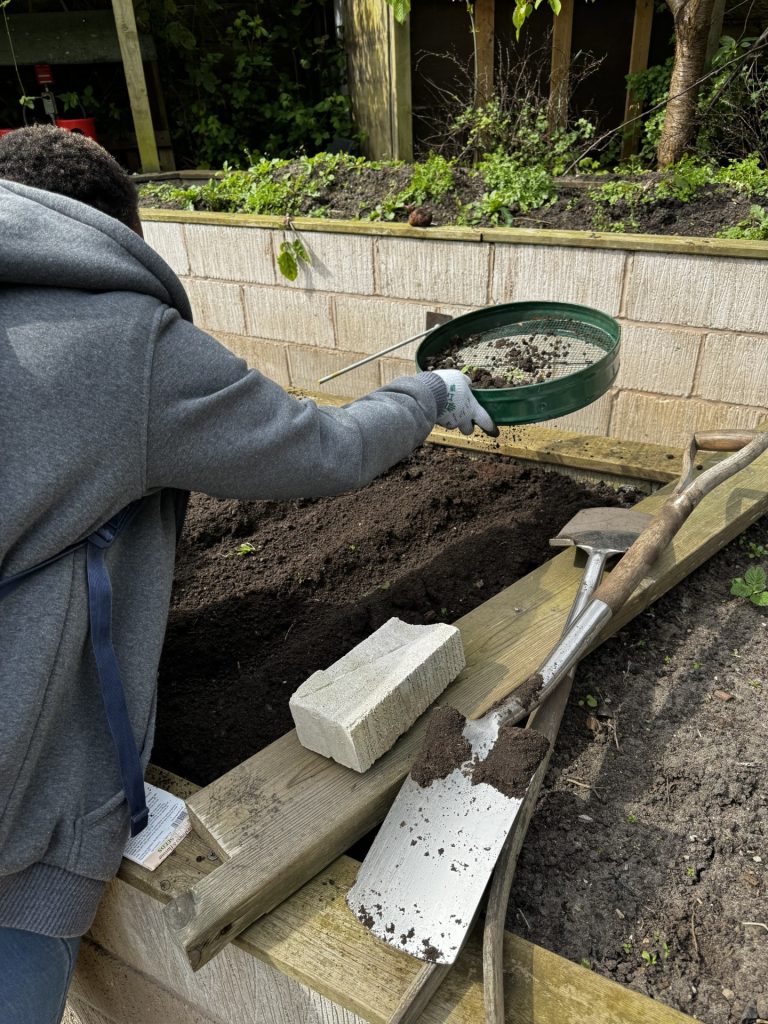
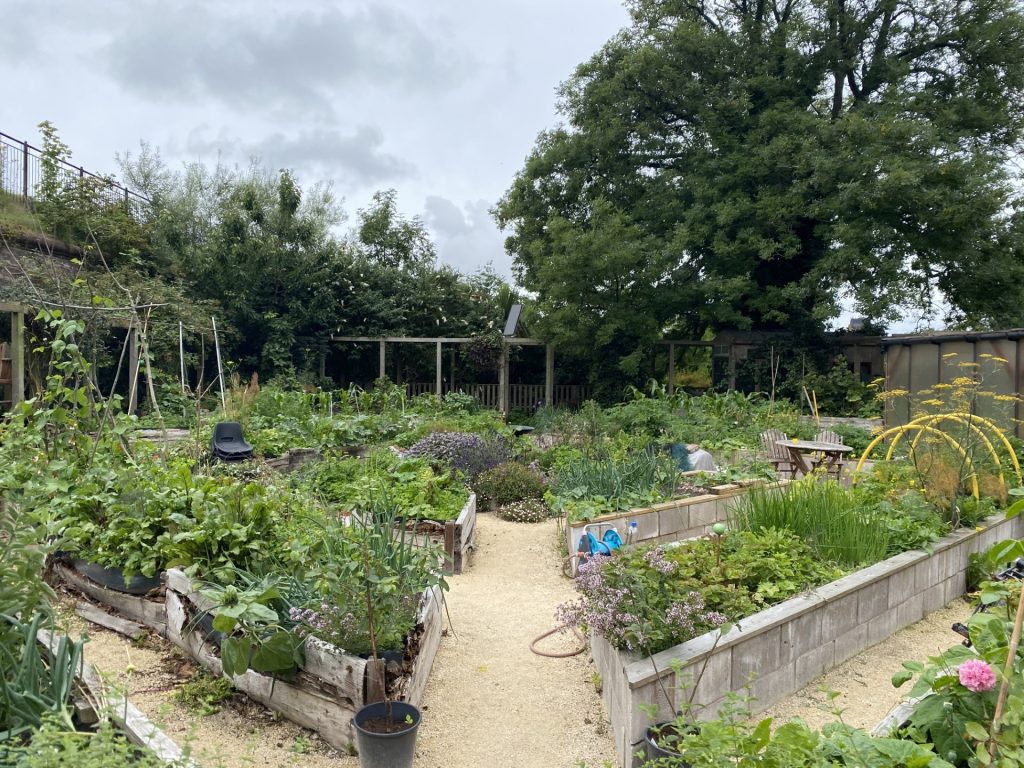
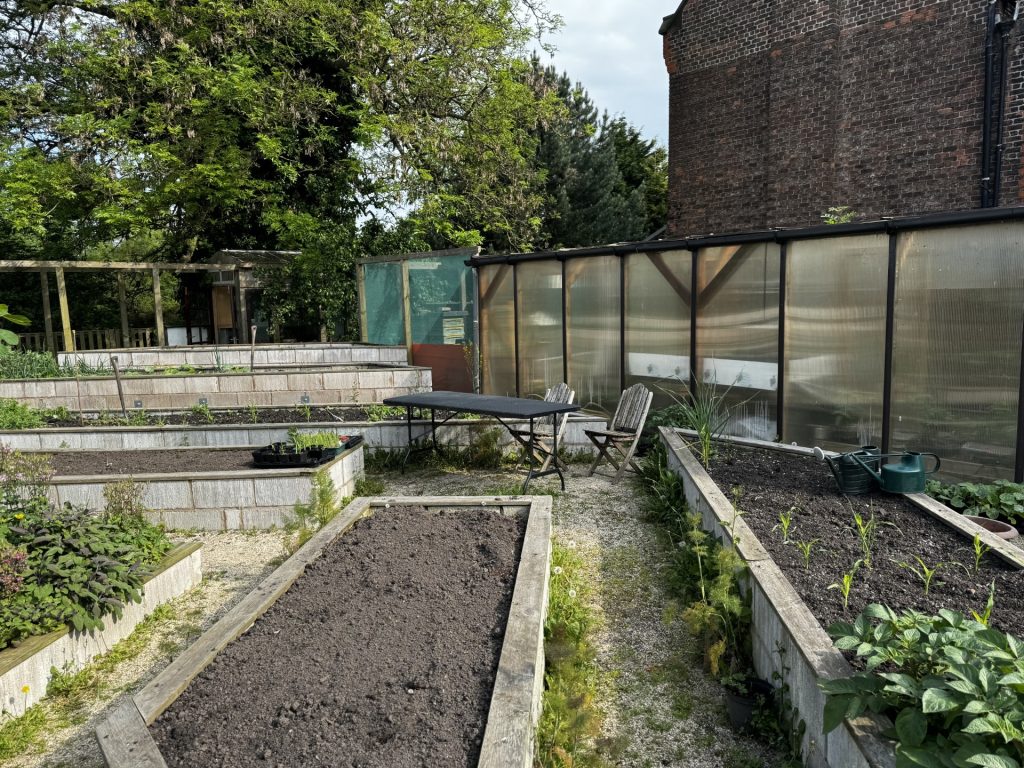
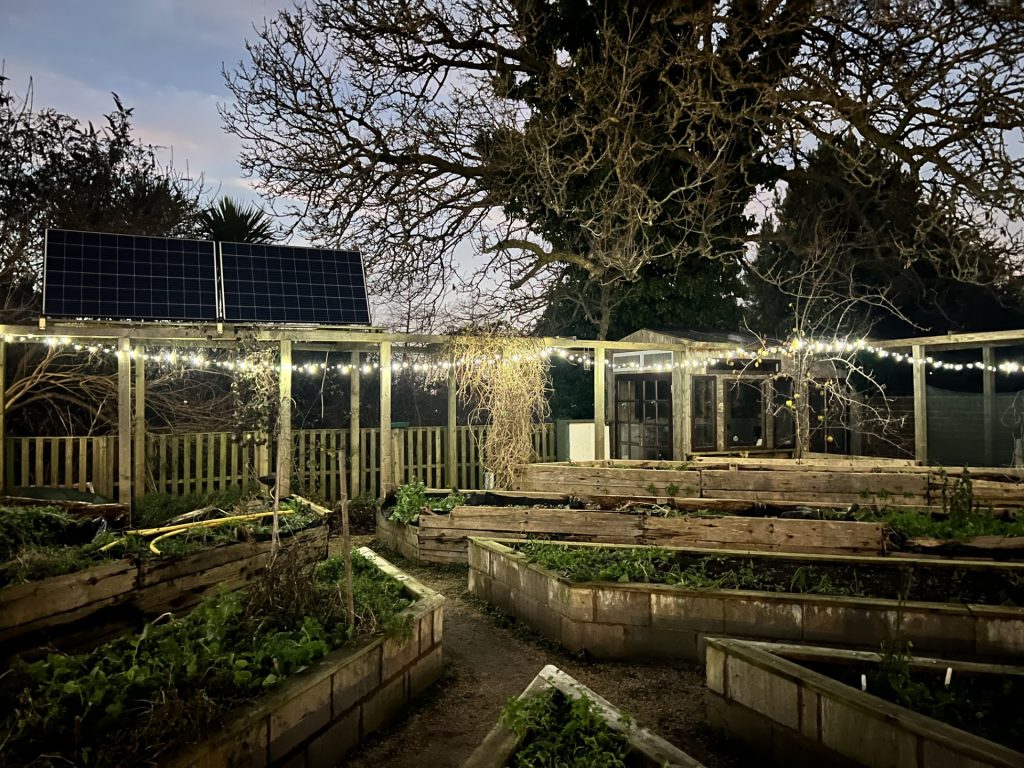
Clients receive 1-2-1 psychological therapy and during their time with the core project they have a piece of land to cultivate and tend. We provide this service in our therapy garden and allotment sites, which are safe and calm places to enable the healing process.
Families are able to stay with the project from between 1-3 years, dependent on their needs and how they make use of the service.
Why Horticulture?
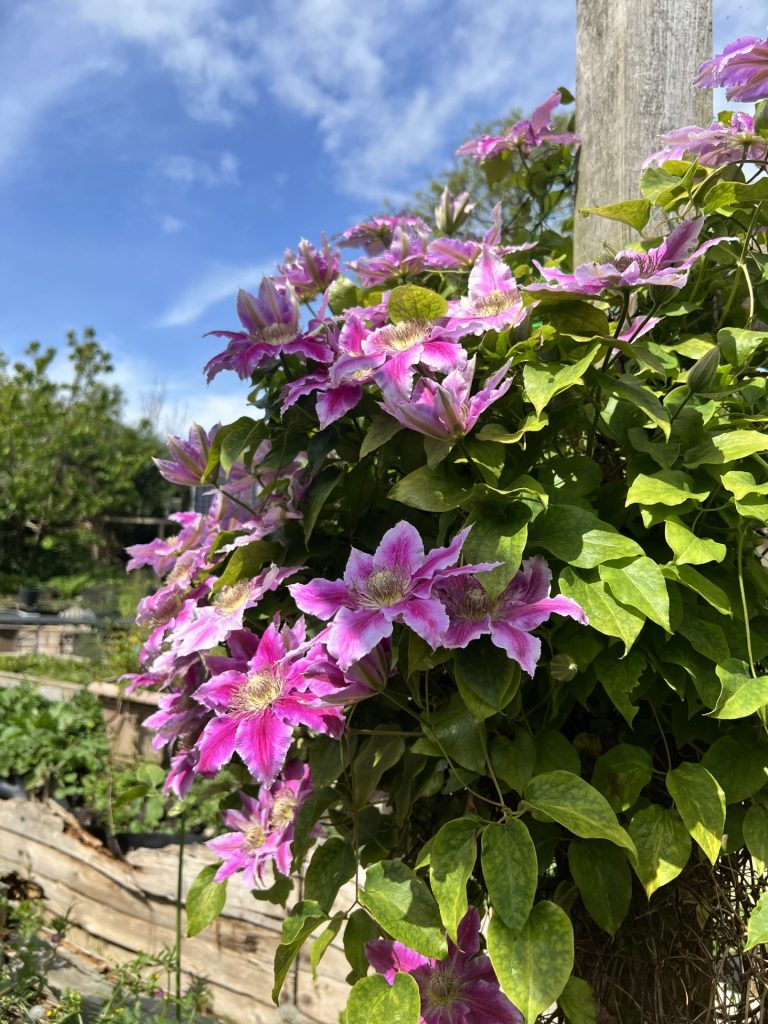
Horticulture provides an innovative medium for therapy to refugee and asylum seeking families. It helps to overcome the language and cultural barriers which can be difficult in conventional therapy.
Transcending the need for words, gardening provides a myriad of metaphors: Parents recognise that tending seedlings and putting down roots parallels the need to nurture their children and provide them with stability.
Many families we work with find it difficult to be involved in activities outside, feeling unsafe and threatened in an unfamiliar place. The garden and allotments are safe spaces where support and encouragement are given to enable adults and children to be active and to grow their own food; children can be outside and play safely.
Restricted incomes mean that families can be limited in their diets; the project allows them to plan and grow additional food to supplement their diet and provide fresh and nutritious meals.
Group Activities and Drop-in
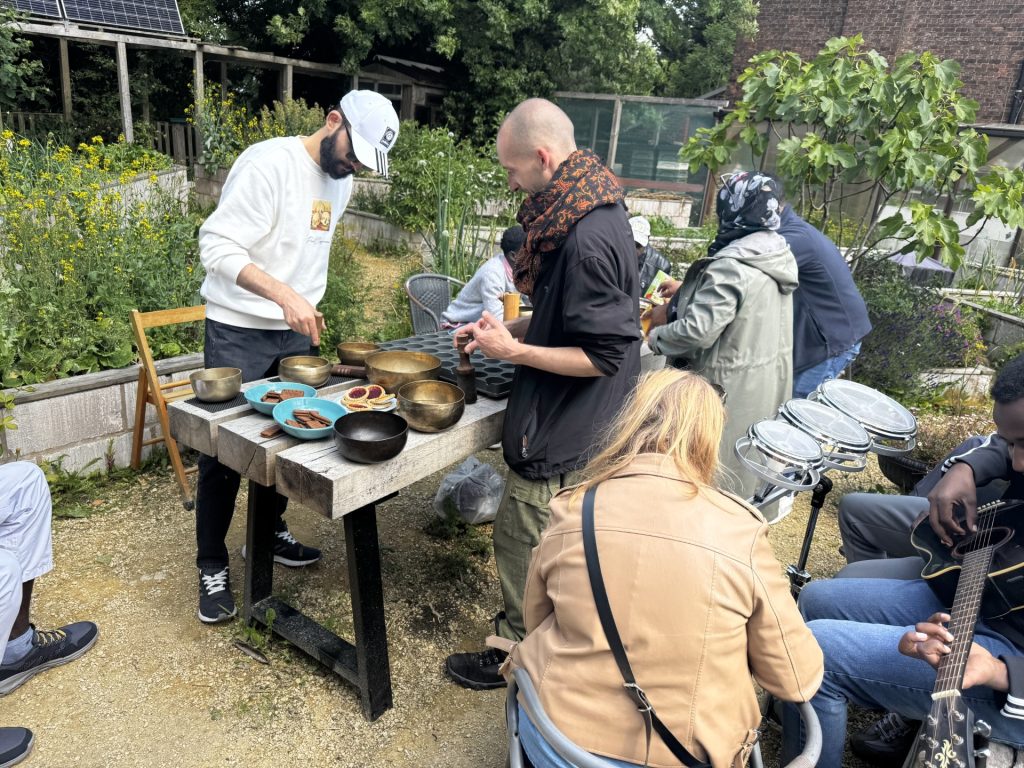
When possible, we run weekly group activities and a drop-in to provide an opportunity for family members to come together with staff and volunteers to cook & eat together.
It provides an opportunity for clients and former clients to discuss matters of everyday life – whether good or bad and, support each other by sharing ideas or in finding solutions to problems.
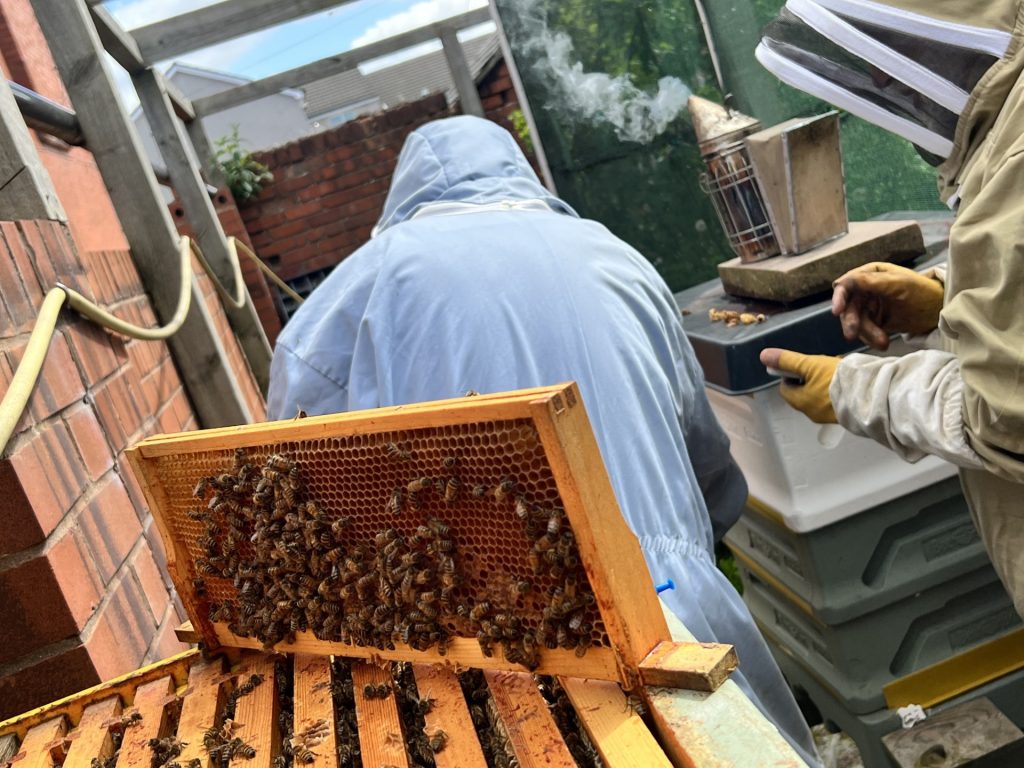
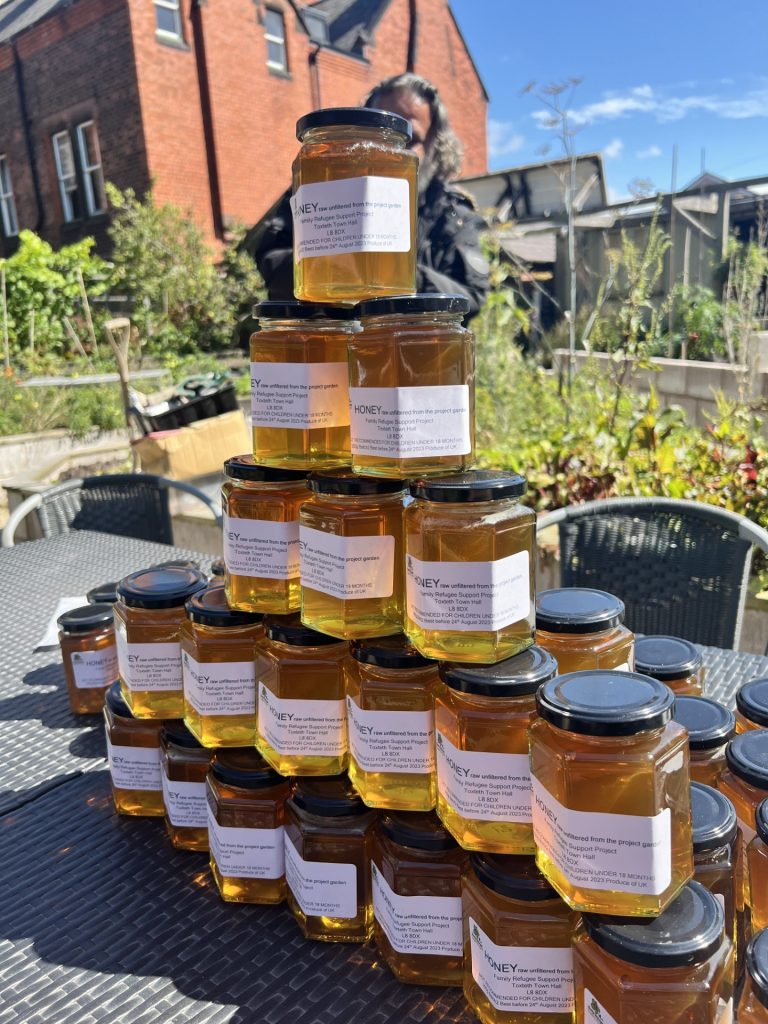
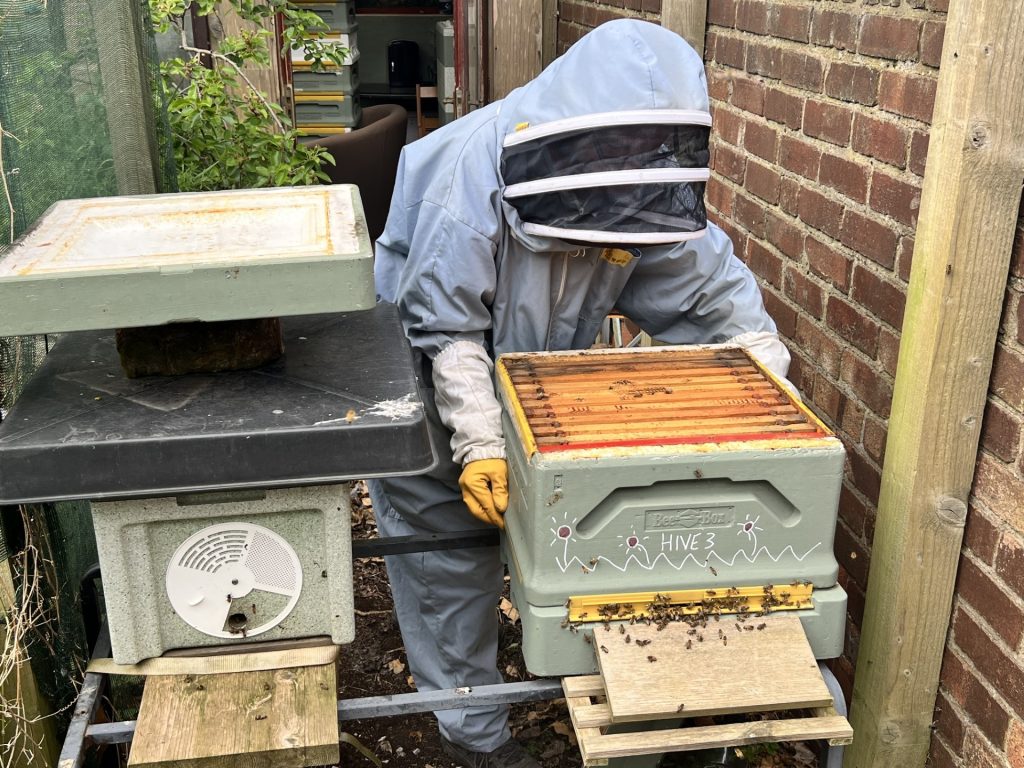
The groups also provide the chance for men and women to choose and take part in shared activities – bee keeping; cooking; sewing; preserving and pickling.
Practical Support
FRSP helps client and ex-client families with practical needs – housing, immigration, social welfare benefits, education, training, employment and the management of finances.
The support offered is tailored to the needs of the individual and their family. At times people need advocacy and intensive support, but our aim is to empower clients, and where possible clients will be supported to access other services and to find their own solutions to problems they are faced with.
For all our services, clients can be referred to us via primary care services, other mental health or community services or via self-referral, from within our geographical service areas.